
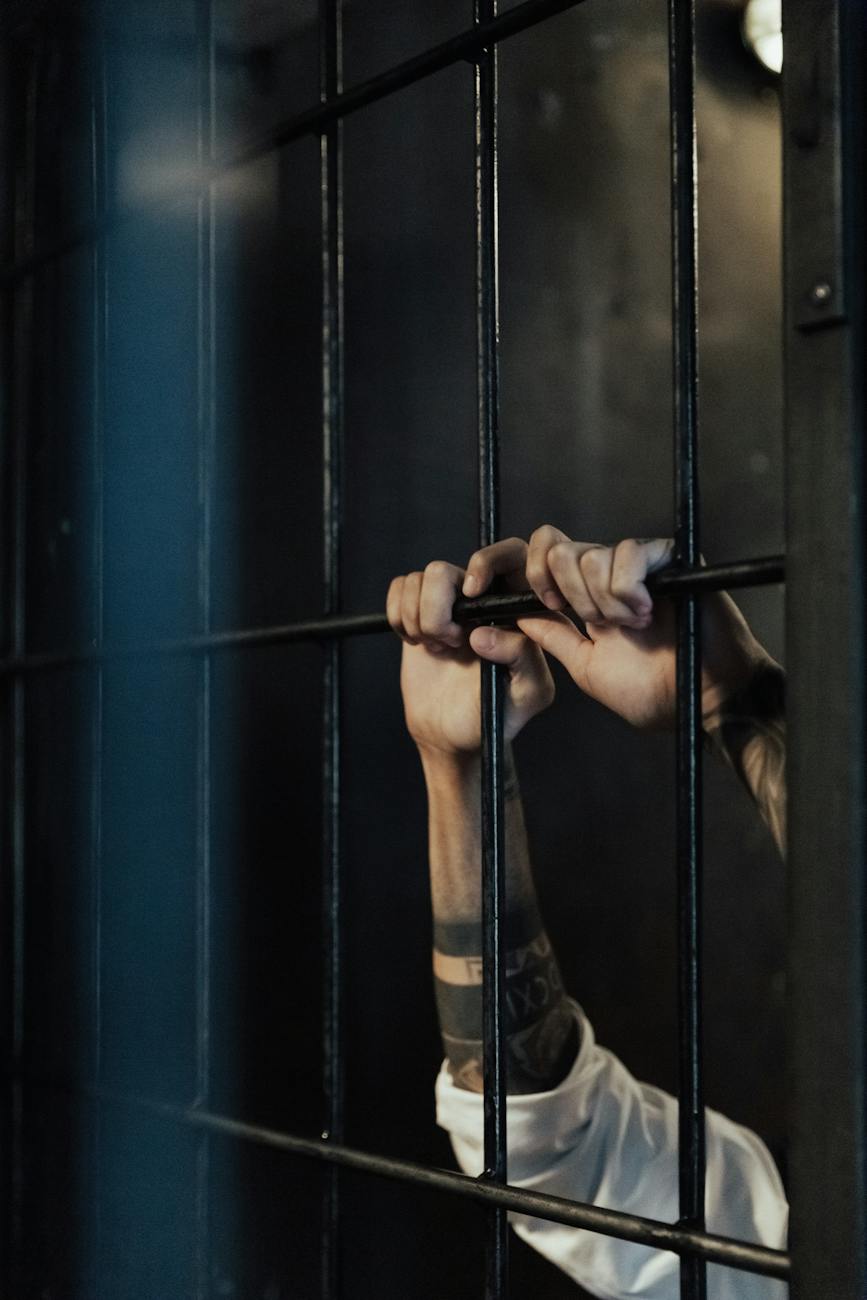
In relation to criminal behaviour, there often arises a conflict between the preservation of individual human rights and the fulfilment of societal duties. The two are not always compatible, meaning that it is not always possible to satisfy both requirements.
The classic example is a terrorist who has information that would save lives or protect the fabric of society, but is reluctant to divulge it. In such circumstances, would it be acceptable to torture that person in order to acquire the necessary intelligence?
Where do we draw the line between acting in the best interests of society and the maintenance of an individual’s rights and freedoms?
Human rights do matter, but that does not necessarily mean that they should be definitively prioritised or zealously revered. We should not overstate their importance. We should not let their existence distract or divert us from our primary obligation to maintain a functioning society.
Unfortunately, of late, this is what seems to have happened. We have become rather too obsessed with the sanctity of human rights for those who commit offences against society. So much so that we mistakenly believe that the upholding of their human rights is one of the primary duties of society.
This is not the case.
Society exists to ensure human survival. This is its singular responsibility. It provides us with what we need for our continued existence. Humanity would not last very long in Nature. We are too weak and vulnerable. As a species, we have effectively become couch potatoes. We have not maintained any natural fitness. We have not developed the life skills needed to survive in Nature. And so, with this atrophy of core survival skills, we have actually become totally dependent on society.
If society did not exist, humanity wouldn’t be long for this world.
It is for this reason that individual rights have to be considered as secondary to the duties and responsibilities required for the maintenance of society. Society must do what it has to do to protect and preserve itself, for, in its survival, rests the survival of humanity as a whole.
Human rights and individual interests may therefore sometimes have to be overlooked or relegated for the sake of this greater good.
It’s important that we get our priorities right. If our house has a hole in the roof, we shouldn’t be thinking about what colour to paint the front door.
In accepting the preeminence of society over the individual, we must then determine the status of those individuals who, in some way, seek to undermine society’s order.
Challenges and threats to society arise when individuals of that society break the rules.
Society must decide how it will deal with these offences – prevention and deterrent strategies, judicial processes including rights to appeal, punishment sentences and rehabilitation programmes.
The basis for deciding on all these policy areas must be a recognition that the rules are there for a purpose. They exist as protections for the wider membership of society and for its maintenance, and although we may not always agree with those rules, they are necessary for society’s upholding.
When those rules are broken, the offender is openly and directly challenging society. That challenge, given our dependence on society for our survival, is a threat to every other person in society.
In Nature, individuals have no rights. It’s a merciless, anything-goes, dog-eat-dog existence. The idea that humans have rights is a societal creation. Such rights only exist because society exists.
By breaking society’s rules and challenging its order, the individual effectively repudiates society. It amounts to saying they don’t want to be part of society.
Individuals cannot be allowed to pick and choose which aspects of societal life they want to follow. That’s not fair to others. Societal living comes as a complete package. You take the whole thing or nothing at all.
It is for this reason that those who break the rules should be considered to be forsaking their human rights. Through their actions, they relinquish their societal protections and benefits, and they must face the consequences.
This loss of individual human rights is acceptable, provided society has certain safeguards in place:
- There must be an accessible and viable way for individuals to amend or challenge society’s rules.
- Society must ensure that clique elites do not attain power and control, governing in their own interests.
- A society’s members must have a complete knowledge of the rules of that society.
- The rules of society must be enforced correctly and fairly.
Providing these conditions are met, there are reasonable grounds for pursuing a zero-tolerance policy for the infringement of society’s rules with draconian punishments for those who offend. It’s a twin-track policy that will act as a deterrent. Individuals will think twice about committing an offence; they will be deterred from breaking the rules of society.
As those less law-abiding members of our society will say, “If you can’t do the time, don’t commit the crime.”
By acting vigorously and harshly, society is doing nothing wrong. It is acting in the best interests of its members, its total membership. This must take precedence over any individual interests and rights.
Some might question the extent to which human rights should be forsaken given the offence committed. They would argue that there are different levels of rule-breaking. Do minor infringements warrant the full loss of an individual’s rights?
Undoubtedly, we should not be going soft on crime, concerning ourselves with the rights of offenders rather than thinking about the victims of crime or losing sight of our vital need to uphold society. Society and the penal system should do nothing to accommodate offenders. Punishment should be disagreeable.
It’s a judicial approach (though not always with all safeguards in place) that has operated in the past and continues to operate in some countries around the world today.
It is a viewpoint that justifies and legitimises capital and corporal punishments.
The trouble with adopting such an austere policy is that – even for criminals – the glorification of human rights is an idea that is very difficult to challenge. It seems to have a feeling of righteousness to it. It’s very difficult to contest something that argues for the protection and support of the individual.
And yet, this focus on the individual can mean that we fail to see the bigger picture; we fail to appreciate our dependence on society; we fail to recognise that our survival rests on our ability to uphold society.
Advocating human rights for those who break the rules is an indulgence and privilege of a modern liberal society. It’s a dangerous, destabilising, destructive course to pursue.
 Oxthink
Leave a comment