
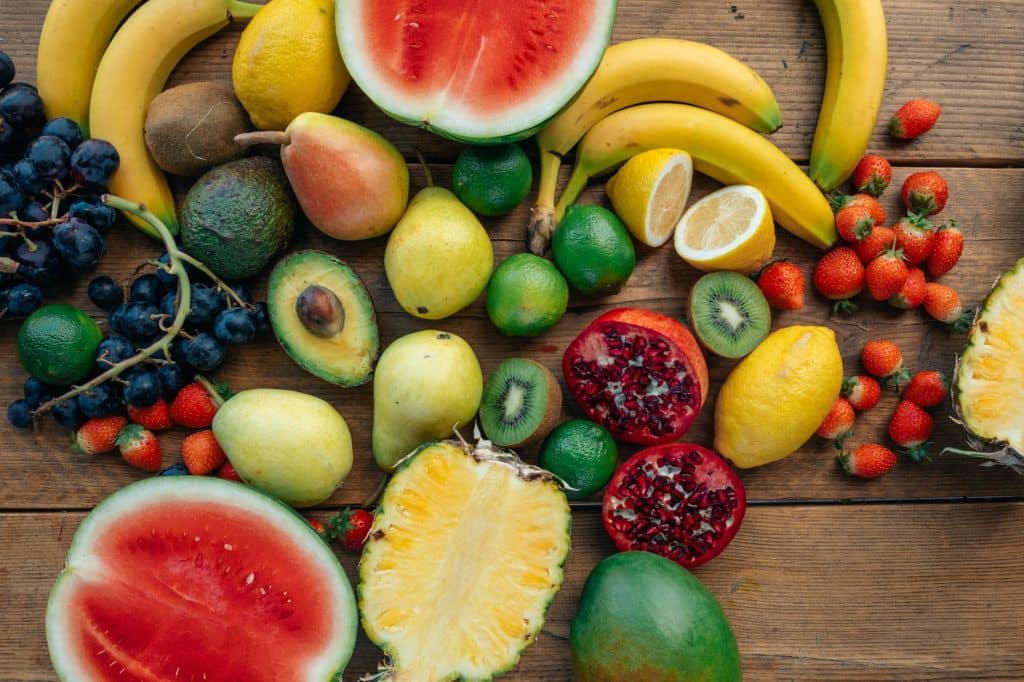
We may well be familiar with the expression that you can’t compare apples with oranges, but can you compare bananas with bananas?
Certainly, apples are very different from oranges, making any comparison difficult. But bananas are – seemingly – very similar to one another, so can you compare them in terms of their health benefits, their vitamin and mineral composition and their nutritional value?
Can one banana be better for you than another? Is it actually possible to get an accurate measure of the goodness of an individual banana? Should we be shopping around for the best bananas?
I use bananas as an example because I eat a lot of them, but the enquiry could apply to any fruit or vegetable.
The problem is that because bananas are a natural product, there are so many variables that go into their constitution. It makes it difficult to quantify exactly how healthy they are for us. When a nutritional guide informs us that a medium banana contains 0.4 grams of potassium or gives us a specific percentage of our recommended daily intake of a particular substance, how sure of this can we be?
Not all bananas may be equally healthy.
This does not mean that bananas are unhealthy. That is unlikely to be the case. Even under the direst conditions, there will still be health benefits. They may just not be as healthy as we think.
Despite being neither a scientist nor a nutritionist, I recognise some of the variables that can affect the production, distribution, and consumption of a banana. It means that there can be no certainty in determining a banana’s nutritional value.
So many questions; so many variabilities:
Physical Questions:
- Bananas vary in size, so it’s not always possible to directly compare bananas. Bigger bananas, for instance, will obviously impart more vitamins than small bananas.
- They vary in their ripeness. Yellow bananas contain more natural sugars than green bananas. Green bananas contain over twenty times more resistant starch (the stuff that slows the rate at which the stomach empties). A ripe banana will therefore provide different health benefits than an unripe one.
- Which bits of the banana are the best to eat? Where is the goodness? Should I be eating the skin? What about eating those stringy bits that you get inside a banana?
- Are there different varieties of bananas? To me, bananas all look and taste the same! If there are different varieties, are some better for you than others?
Farming Questions:
- If it’s grown organically, is that better for you?
- Does a banana’s vitamin and mineral content vary depending on the quality of the soil or whether it is grown on flat or gently sloping land?
- What other crops are grown nearby? Does that have an effect?
- What pollinators exist in the vicinity? Do they have an impact on the quality of the final product?
- Does it make a difference whether the bananas are hand-picked or machine-picked?
- What effect does the weather have on the goodness of a banana? Like with grapes and the production of wine, does the weather influence the quality of the crop?
- At what point during its growth and development is the banana harvested? If it’s harvested when ripe, does that make it better for you than one that is harvested when it is still green?
- What fertilisers and pesticides were used in the growing of the crop? What impact have they had on the quality of the crop – for better or for worse?
Transportation Questions:
- How long does it take to get from the farm to the supermarket? Do shorter journey times produce better bananas?
- How was it transported? Are some modes of transport less traumatic for the banana and therefore less damaging?
- How was it packaged? Do those bananas that are wrapped in plastic suffer less degradation than those that are just boxed?
Purchasing Questions:
- Should display and use-by dates have any relevance to my purchasing decision, or should I just examine the banana’s condition?
- Does the length of time that a banana is on the supermarket shelf affect it? To what extent do the supermarket’s on-shelf lighting and heating conditions affect the banana?
- If I buy a banana from a high-end supermarket, can I be assured I am getting a better-quality banana?
Eating Questions:
- Does processing a banana lose some of its benefits?
- If I cook my banana, does that destroy some of its goodness? If so, by how much? Can you actually cook it to the point where it does more harm than good?
- When combined with other foods, does this affect the body’s ability to absorb its healthy constituents? Can the body extract the essential vitamins and minerals from each separate food when they have been combined? Other animals tend not to mix their foods. They will generally eat a single food type in a single session. Is that more beneficial?
- Does mixing hot and cold foods affect the outcome? Could the hot food destroy some of the goodness in the cold food?
- At what point in its ripening is it best to eat a banana in order to maximise its health benefits?
- By chewing it up more, does this improve the body’s ability to absorb it?
- Do its health benefits vary depending on when during the day the banana is eaten, particularly in relation to meals, exercise, sleep times and the taking of medication?
- Does it matter as to what temperature the banana is eaten at – refrigerated, room temperature or heated?
- If I eat two bananas, am I doubling my vitamin and mineral intake, or does my body just take what it needs and expels the rest?
- Using bananas as my main source of certain vitamins and minerals, should I aim to have a banana a day to ensure I am constantly topped up? What if I miss a day? What if I miss a week? What is the impact on my body?
Oh yes, there are many questions that we need to think about. Some of these variations may have a marginal effect, but others may be much more significant; some aspects of our food intake we can control, and others we cannot.
As consumers, we should know what we are putting into our bodies; we should know the quality and nutritional content of what we eat. And yet it is so difficult to measure these values accurately.
Rather ironically, the foods that we can be most certain about in terms of their nutritional content are those highly tested foods that have been processed and packaged with clear cooking instructions – ready meals – more often than not, the unhealthy stuff.
With natural products, there can be so many unknowns, meaning we have to accept generalisations, estimates, and imprecision.
For consumers, the ongoing danger is that producers and distributors can be too driven by the desire for cost savings, efficiency gains and profit generation that some of the quality and benefits of their product can be undermined.
Suppliers should recognise that they are not just providing bananas. They are providing packages of goodness. We don’t eat bananas just because we like them; we also eat them for the goodness and health benefits that they give us.
All aspects of the natural food production industry should focus on improving and maximising the quality and nutritional content of its output. That means, from producer to consumer, reducing and eliminating factors that can degrade the product.
Food waste is not just about what we throw away; it is also about not getting the most out of the food we do eat.
 Oxthink
Leave a comment