
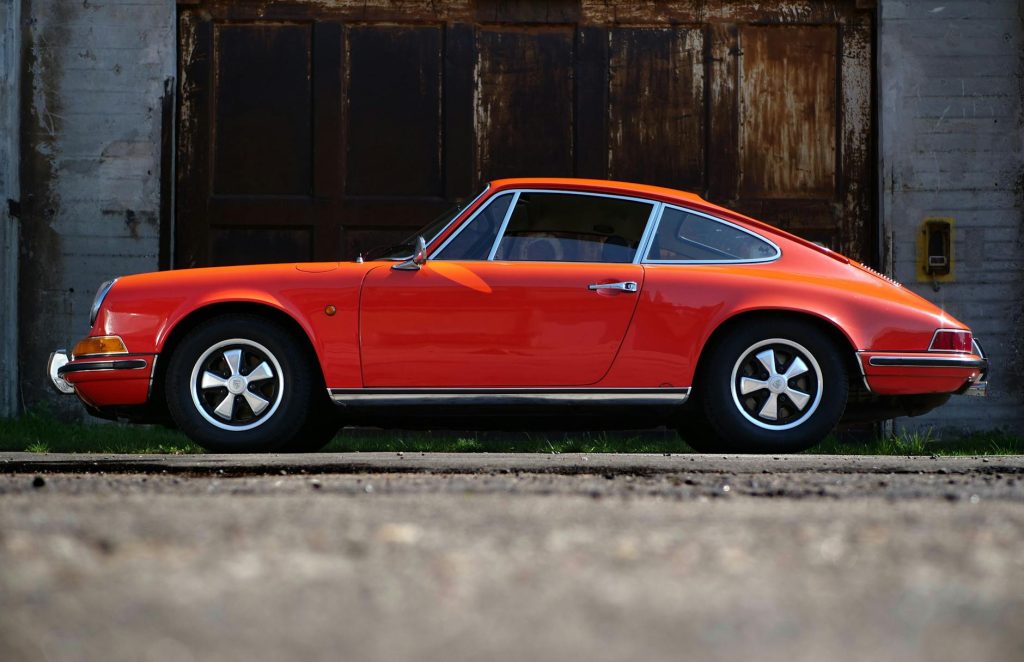
There’s a beauty in the style and character of a classic car. It can look good, sound good, and feel good to drive. A classic car attracts attention and makes an impression.
In fact, their appeal is such that classic cars tend to increase in desirability and value. Yet we must wonder whether their days are limited. Will there always be a market for classic cars and motorbikes?
The car industry is undergoing one of the most significant changes it has ever seen. Faced with an environmental threat, the car industry is having to change its engine systems to produce more environmentally friendly vehicles – notably electrically powered ones.
Significantly, electric cars have one conspicuous quality – their quietness. There is no noisy engine. In fact, they are totally silent. As these cars become more prevalent, those more traditionally powered cars – fuelled by petrol and diesel – will stand out for the noise they make.
Just like nowadays, there is the noise that a two-stroke motorcycle makes. The noise shatters the calmness. Non-enthusiasts look on with disdain and objection.
Imagine, in an age of electric car dominance, you are driving a noisy petrol-fuelled car to pick the children up from school. The car and you will stand out as a polluter, not only as a destroyer of the local and global environment but perhaps (considering the damage you may be doing to a child’s lungs) even as a killer.
All traditionally-fuelled cars, and that includes classic cars, will be looked on with disgust because of the damage they will be doing. They will become the pariahs of society.
It will be like secondary smoke from cigarettes. Your actions are affecting me. Your behaviour is causing me harm. Court cases will ensue. Driving a classic car could get very costly.
Drivers of classic cars will be aware of the damage they are doing. It will make them feel uncomfortable, if not guilt-ridden and embarrassed. They may well decide that the pleasure derived from the driving experience is not worth the angst.
The cars will be destined to become museum pieces – loved but unusable.
It may be that the only chance their owners will have of driving them would be on track days when they can, like naughty schoolboys, meet up at race tracks with other like-minded petrol-heads.
There will always be some people who don’t care what others might think and choose to drive their noise machines. They may even feel safe within their car cocoon. They may feel that being inside the car offers some protection and distancing from the abuse that will surely exist. Inside a car, we can behave very differently from how we normally do. Road rage is a good example of how we can say and do things that we would never do if we did not feel safe inside our car.
But the strength of the majority will eventually prevail. These old cars will not only be seen as damaging to our air quality but also disapproved of because they shatter the community’s peacefulness. Outlawing legislation will eventually follow.
It would be a similar path to that of bull bars on the front of cars – public disapproval, even hostility, leading to Government action, resulting in their near total eradication.
This change to the classic car market will, in all likelihood, take place within the next couple of decades. As soon as the motor industry gets to grips with the change to electric power, especially in terms of battery life, then the growth in electric cars, no doubt incentivised by Government schemes, will be massive. Very quickly, traditionally powered cars will disappear.
We may soon be living in a much quieter world, where the background hum of traffic has disappeared. Those noise-emitting vehicles that remain will stand out as belonging to the past. They will no longer be viewed with any iconic or nostalgic admiration but as symbols of a destructive and ignorant bygone era.
So, my advice is to think carefully before buying a classic car. The appeal and the demand may not be as guaranteed as they were. It might not be the investment that it has previously always been.
 Oxthink
Leave a comment